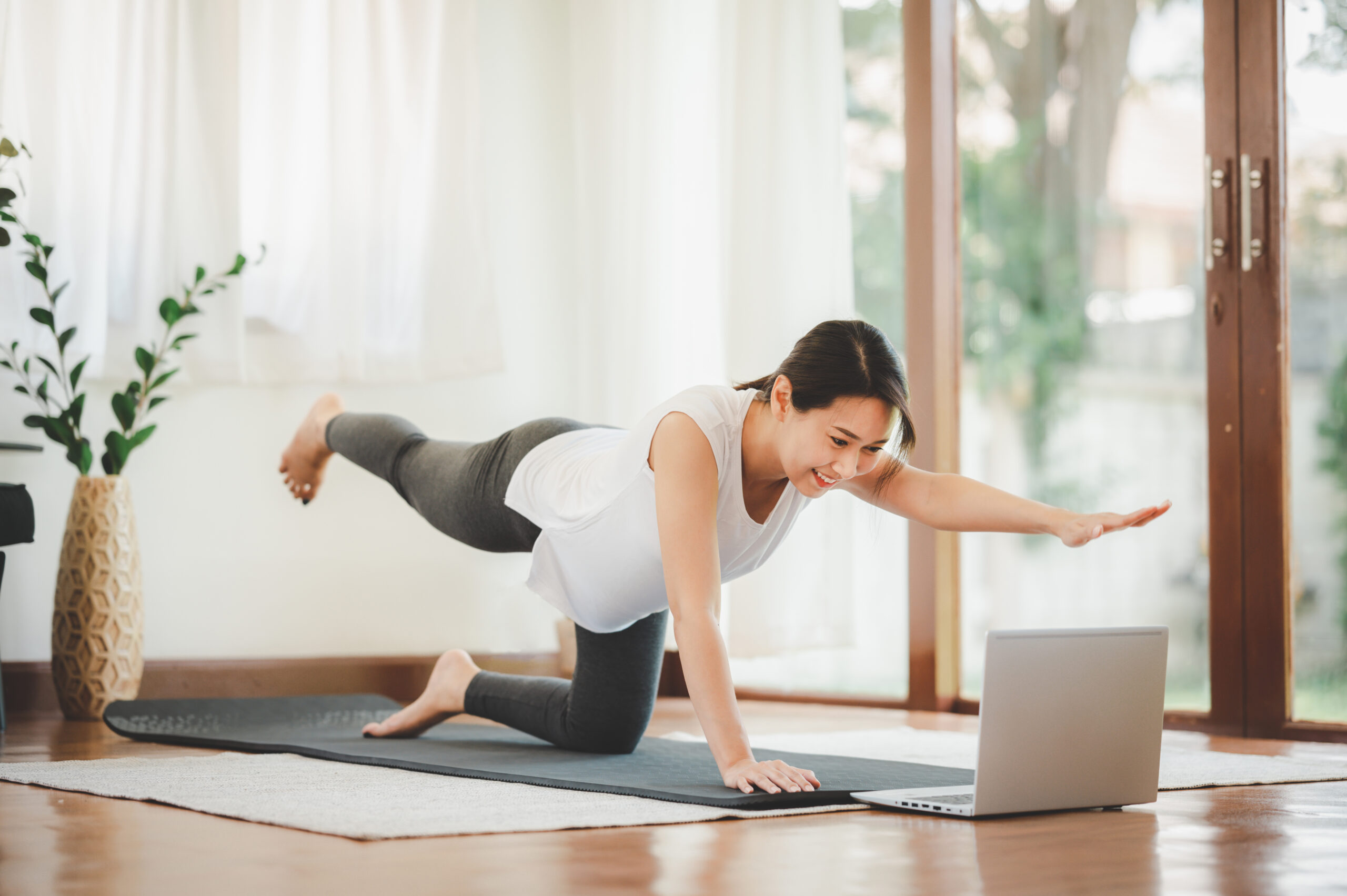
“Motion is the potion” is a playful reminder to make movement part of life. The useful question is what kind of practice suits you and the activities you want to enjoy.
We’ve all heard that “movement is good for us.” And it’s true. But as the years add up, so can the aches and pains. They creep in slowly, making us wonder if moving less might be the safer choice.
We might head to the gym, pick up weights, or go for a jog and assume that more effort is what we need. But if an activity leaves us hurting or discouraged, it is worth pausing to consider the activity, the amount, and the guidance we need.
How we move is worth exploring alongside how much we do. A class can offer time to notice your breathing, coordination, and use of effort, then experiment with another approach.
When Movement Hurts
This is the turning point for many people. They want to stay active as they age, but movement itself has started to feel unreliable or even painful. The temptation is to stop — to give up activities that once brought joy.
Pain deserves attention. Do not push through it or assume that changing your movement will resolve it. A health care professional can help assess persistent, new, or worsening symptoms and advise you about activity.
In movement education, we explore how different parts of the body participate in an action. That can be useful learning, but it does not tell us what is causing pain or replace an individual medical assessment.
Within your needs and any medical guidance, you can explore manageable ways to practice movement. The aim is to expand your choices and build skills for the activities that matter to you.
The Right Kind of Motion
Gentle yoga, somatic movement, and posture explorations offer different ways to pay attention to how you move. In class, we might compare a movement in two positions or notice how shifting your weight changes the task.
Small, intentional movements give you time to notice tension and experiment with coordination. You can use that learning as part of working toward mobility, steadiness, and confidence.
Your goals might include:
Noticing when you hold your breath during movement
Practicing balance and weight shifts
Building movement skills for walking, sports, and everyday activities
Your Invitation
You do not have to begin with a punishing workout. Begin with a movement you can explore, a question you are curious about, and room to learn.
If you’re curious, explore my group classes or Saturday posture and somatic movement class. We can discuss the class format and what you hope to work on.
Disclaimer:
This information is for educational purposes only. Please remember that when practicing yoga, movement, or meditation techniques, you accept responsibility for all you do. It is not a treatment or substitute for medical care. Consult your doctor or mental health professional and work in accordance with your medical needs and limitations. Individual experiences and results may vary. I encourage you to seek instruction and guidance from a qualified teacher to answer any questions and ensure the most positive experience. Please read our full disclaimer for more information.